
5 signs your core shooting machine needs maintenance
A core shooter rarely fails without warning. It tells you first through the cores it produces and the time it takes to produce them.
Five signs, in the order you usually notice them
Core quality becomes inconsistent
Density and strength vary between shots. Edges crumble, cores break during handling, or scrap creeps up on a job that used to run clean.
Cycle times start creeping up
Mould close and open get slower, or cure time has to be extended to get the same core. A few seconds per shot is thousands of cores per year.
New noise or vibration from the hydraulic drive
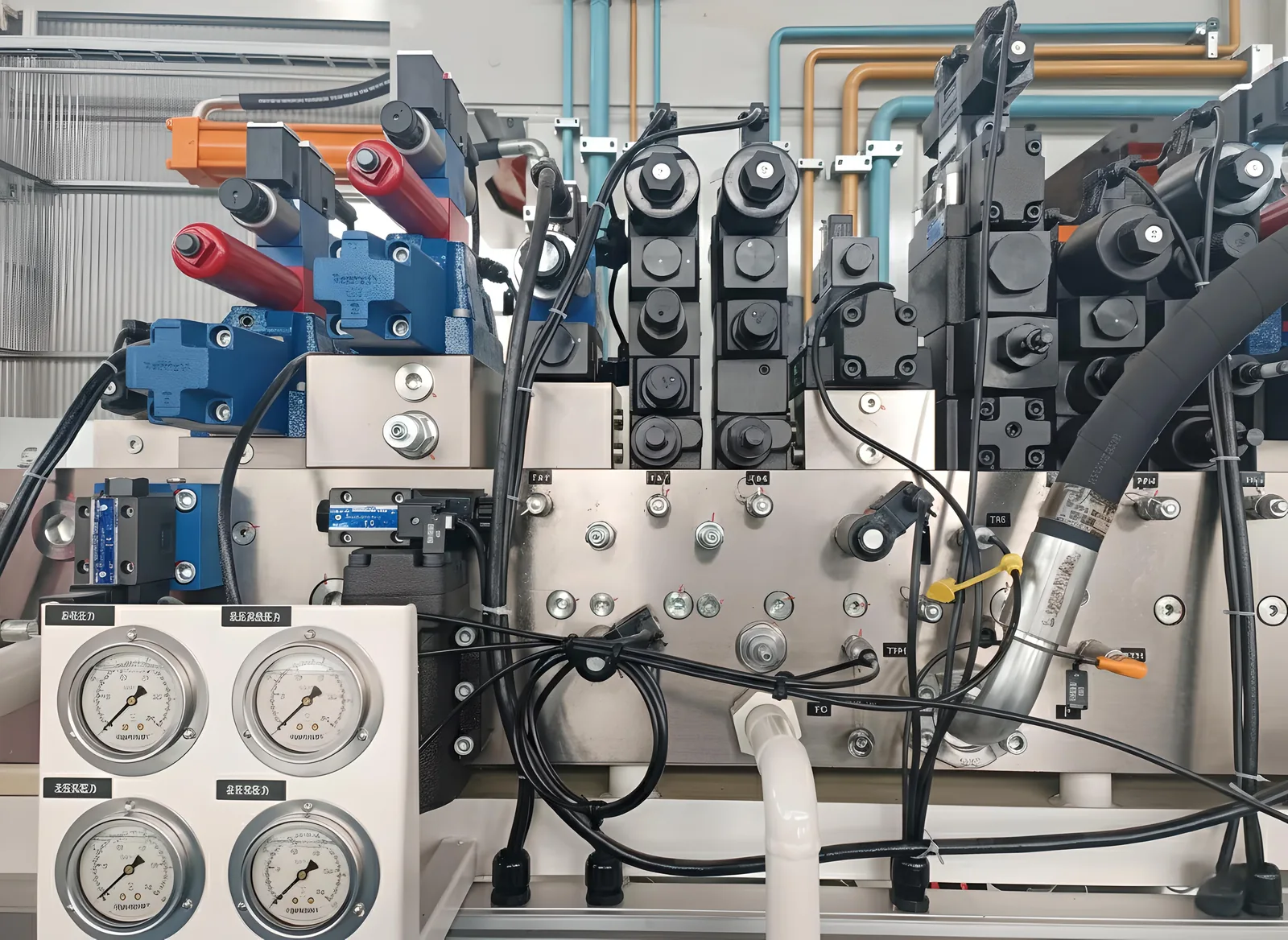
Whining, knocking or a change in pitch from the pump. Usually low or contaminated oil, a clogged filter, or the beginning of pump wear.
Uneven core wall thickness or dimensional drift
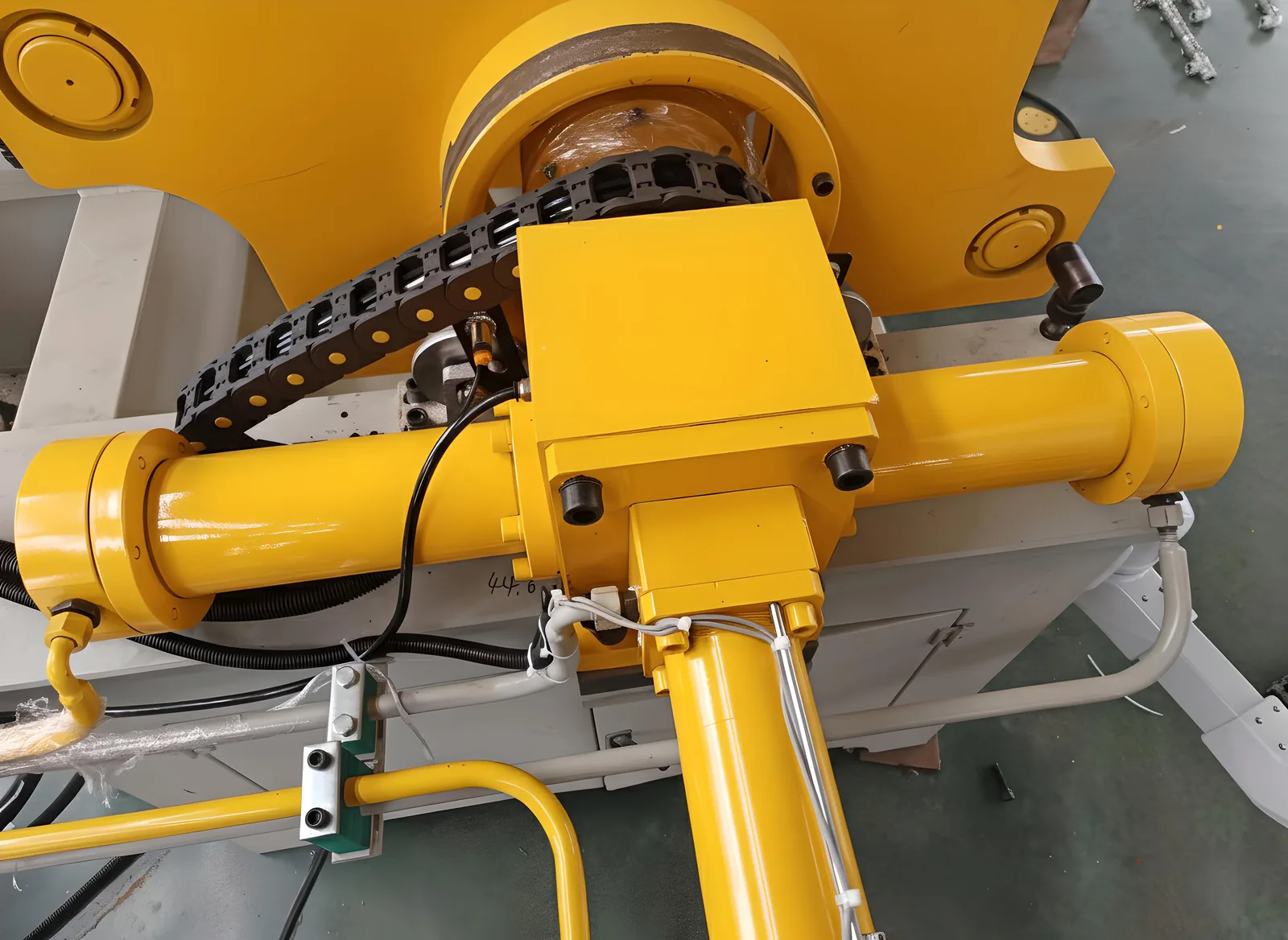
The mould is no longer closing square. Worn guide rails, lost clamping pressure or worn wear plates let the halves shift under shot pressure.
Sand leakage at the parting line and rising gas consumption
Sand escaping at the parting line means seals and clamping are worn. If amine or CO₂ use climbs to hold cure quality, the gas path is leaking too.
What each sign is actually telling you
| Warning sign | Most likely causes | What to check first |
|---|---|---|
| Inconsistent core density | Worn shot head seals, blocked vents in the core box, drifting sand or resin dosing, sand temperature out of range | Vents and shot plate first, then verify the resin dosing system against the sand mixer settings |
| Longer cycle times | Hydraulic pressure loss, worn seals, clogged oil filter, weak gas generation, dirty sand hopper | Log the cycle time per station daily — the trend line finds this weeks before the operator does |
| Hydraulic noise or vibration | Low or contaminated oil, pump cavitation, air in the circuit, early pump or valve wear | Oil level, oil condition and filter differential pressure before anything is dismantled |
| Uneven core wall thickness | Worn or dry guide rails, lost clamping force, worn wear plates, mould not seating square | Automatic lubrication is actually reaching the rails; then measure clamping pressure |
| Leakage & rising gas use | Worn parting-line seals, worn clamping mechanism, blocked exhaust path, leaks in the amine or CO₂ line | Seal condition, then the gas line from generator to shot head for leaks and restriction |
The schedule that prevents all five
A DRATEC cold box or hot box shooter with hardened chrome-plated rails and automatic lubrication asks very little — but it does ask consistently.
| Interval | Task |
|---|---|
| Every shift | Check oil level and hydraulic pressure. Clear sand from the parting line and shot plate. Confirm vents are open. Note the cycle time. |
| Weekly | Inspect and clean core box vents. Check guide rails for scoring and confirm automatic lubrication is delivering. Inspect parting-line seals. |
| Monthly | Check oil condition and filter differential pressure. Verify clamping pressure. Test gas line for leaks. Inspect wear plates and shot head seals. |
| Quarterly | Calibrate sand and resin dosing against the sand mixer. Service the gas generator. Check PLC alarm and fault log for repeating events. |
| Annually | Change hydraulic oil and filters. Full inspection of pump, valves, cylinders and guide system. Re-verify machine geometry and mould seating. |
Keep your core shooter producing consistently
If you are seeing cycle-time drift, density variation, leakage or hydraulic noise, DRATEC can help diagnose the cause and recommend the maintenance or parts required.
Request a Quote