
DRATEC ENGINEERING CO., LTD
A product & process briefing for cold box core making — what it is, how it works, and what to evaluate
Its role alongside the cold core box injection machine
Vaporization, mixing and delivery, step by step
Under-cured vs. evenly cured cores
What separates a well-engineered unit from a basic one
A short checklist for evaluation
Core auxiliary equipment that works alongside your cold core box core injection machine.
In one sentence
It converts liquid triethylamine into a gaseous catalyst that cures resin-coated sand cores rapidly and uniformly.
Liquid TEA is heated into a high-concentration gas
The gas is metered out in a controlled quantity
Atomized gas is mixed with compressed air
Delivered directly into the sand cavity for fast, uniform curing
Core curing isn't a step to leave to chance.
Weak, prone to breaking or deforming during handling and pouring.
Inconsistent density — shows up later as dimensional defects or surface flaws in the finished casting.
A well-designed TEA generator controls three variables precisely:
Locked in and repeatable — so every core in the batch cures the same way.
Based on current cold box equipment design.
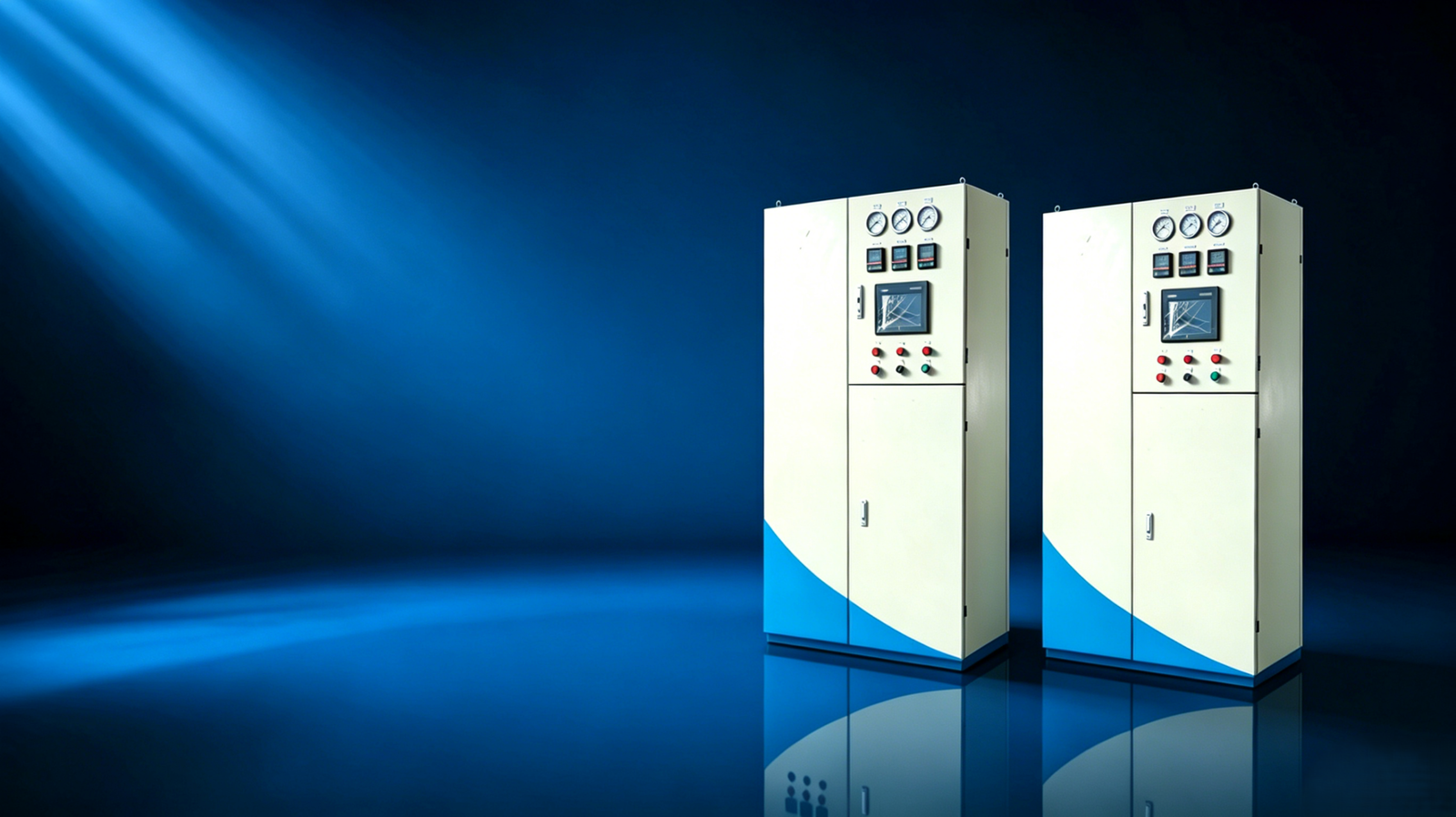
PLC-based control with touchscreen — set, monitor and store parameters in real time. Built-in self-diagnostics trigger automatic alarms before problems become scrap.
Dedicated heater + eddy current processing achieves a 98% atomization and gasification rate, with outlet gas temperature held constant and controllable.
Heaters, sensors and a thermal energy storage tank keep vaporization stable through ambient swings — cutting energy use by 40%+ vs. conventional systems.
Electrical control box, TEA tank, and vaporization chamber are physically separated, with dual isolation between chamber and control box — a core safety requirement given TEA's flammability.
One generator can supply multiple cold core box machines simultaneously or alternately, each with independently configured parameters.
A dedicated dosing device and proportional valve give exact control over delivery rate, vaporization time and curing time — keeping curing degree uniform batch after batch.
A typical automatic-mode cycle.
Core machine completes mold closing, sends vaporization signal.
Heater turns on; liquid TEA moves to vaporization chamber.
Chamber heats to set temp (~80°C, adjustable); mixes with compressed air.
Mixed gas travels through conveying pipe into the sand chamber, reaching all areas evenly.
Preset time reached — vaporization/transport stop; heater switches to insulation mode.
Mold opens, core ejects, and the cycle repeats.
Full production cycle — mold closing through core ejection, running continuously.
For debugging and troubleshooting. No interlock protection — used for controlled testing only.
For flow calibration and air path testing — a single trigger produces a single action.
A small piece of equipment with an outsized impact on core quality, cycle time and safety.
PLC-based intelligent control
High gasification efficiency (95%+)
Dual-temperature protection
Split-type safety construction
Precision dosing
Those five factors separate a generator that quietly does its job for years from one that becomes a recurring maintenance headache.
Reach out for guidance or to see us for full spec sheet.
Contact us